
Eine führende Technologie-Marke
neuroConn ist unsere führende Technologiemarke aus Deutschland. Seit fast zwanzig Jahren steht unsere Marke für praxisorientierte Medizintechnik, die in der neurowissenschaftlichen und klinischen Forschung sowie in der Diagnostik und Therapie neuropsychologischer Störungen eingesetzt wird.
In enger Zusammenarbeit mit führenden Forschungseinrichtungen und Kliniken weltweit wird die neuroConn-Technologie nach den neuesten Standards der medizinischen Forschung entwickelt und bietet den Anwendern standardisierte und klinisch evaluierte Protokolle.

Bewährt in der Forschung
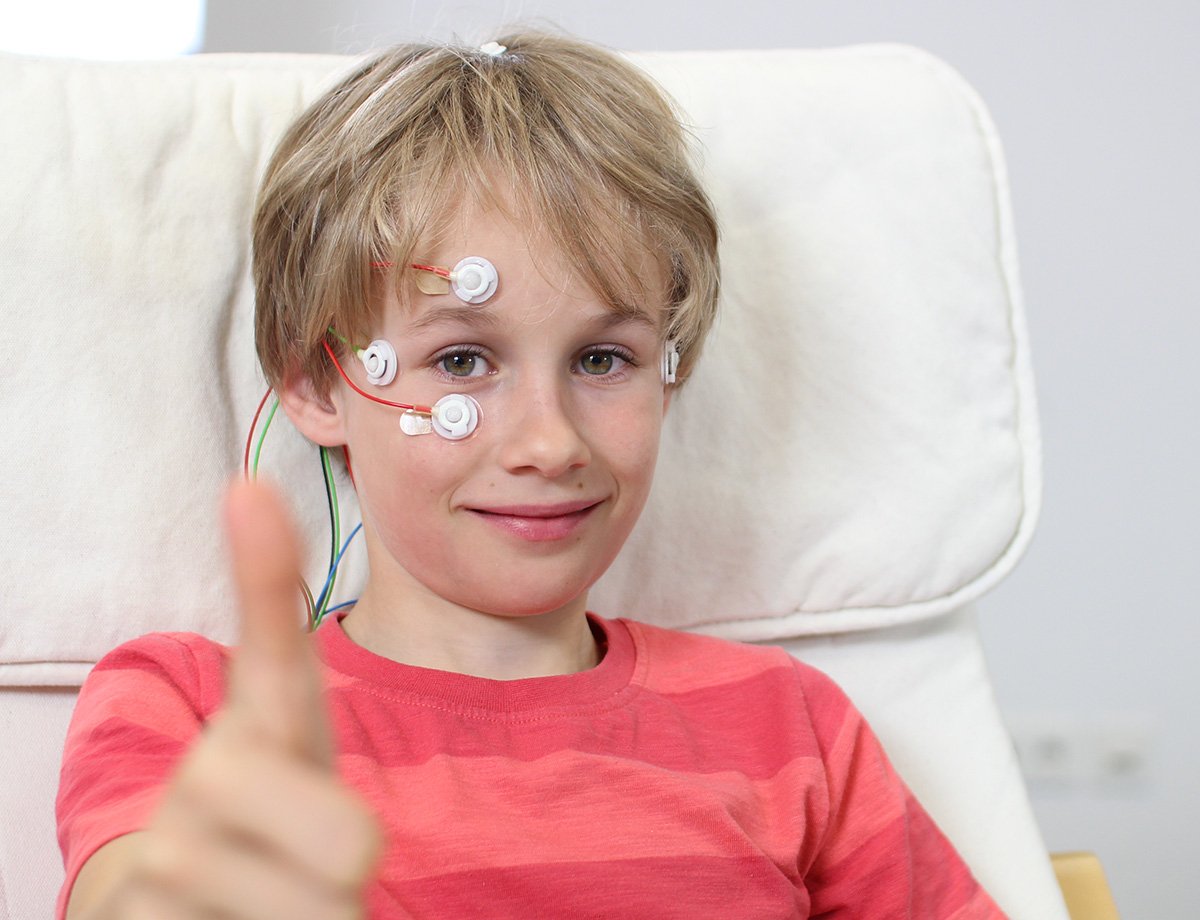
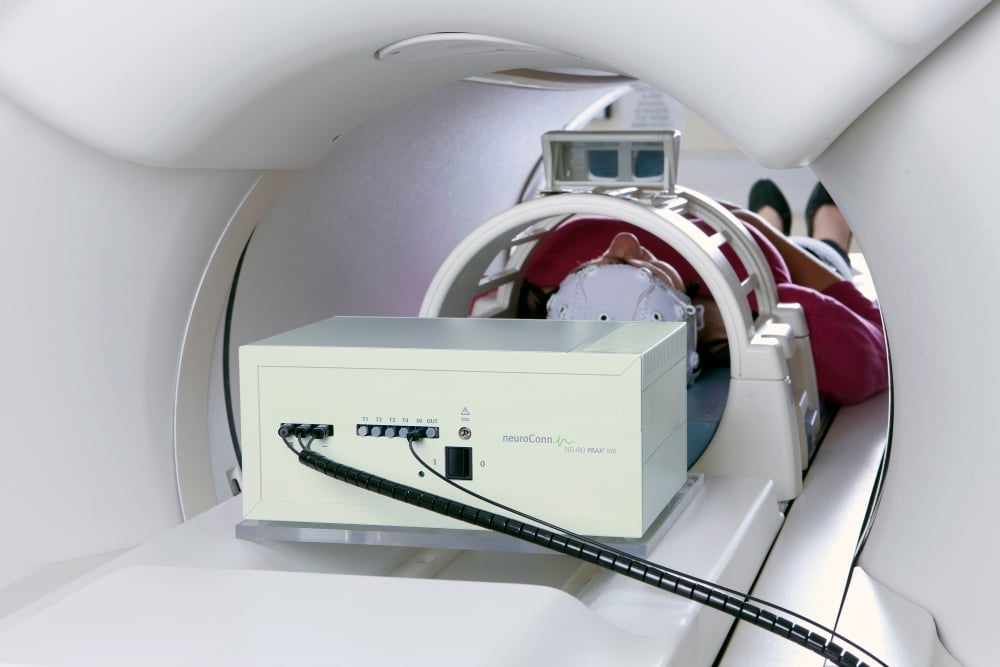
neuroConn DC-STIMULATOR-Geräte und die NEURO PRAX® full-band-EEG-Systeme werden in klinischen Studien und neurowissenschaftlichen Untersuchungen in führenden Forschungsinstituten weltweit eingesetzt.
Neuromodulation für die Therapie
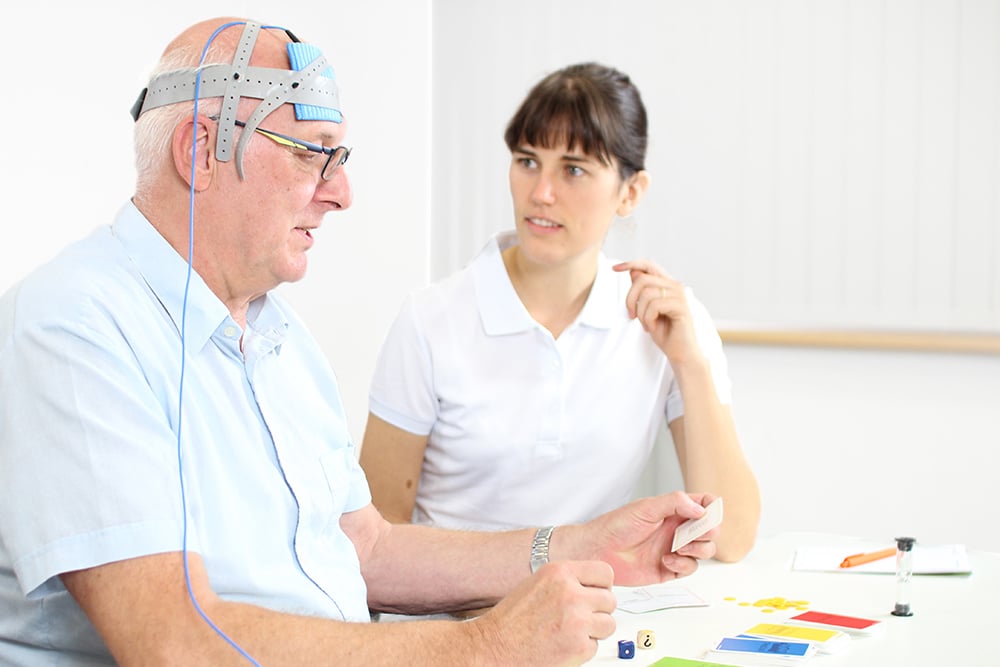
Unsere Technologie sind in vielen Kliniken und Praxen weltweit im Einsatz. Die Geräte helfen Patient:innen bei mentalen Störungen, bei chronischen Schmerzen und in der Rehabilitation.
THERA PRAX® bietet Ihnen evidenzbasiertes SCP-Neurofeedback nach wissenschaftlichen Erkenntnissen. Der DC-STIMULATOR verbessert die Aktivität der betroffenen Gehirnareale durch schwachen Gleichstrom. Das neuroLAB bietet ein Labor für neuropsychologische Tests und quantitative EEG-Analyse aus einer Hand.
Aktuelle Förderprojekte
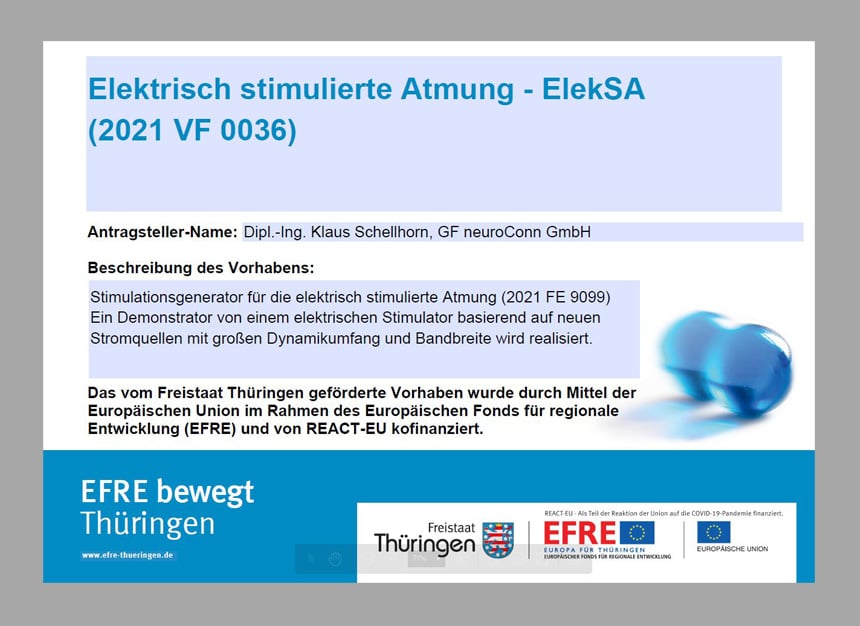
Elektrisch stimulierte Atmung - ElekSA
(2021 VF 0036)
Vom Freistaat Thüringen gefördertes Vorhaben, durch Mittel der Europäischen Union im Rahmen des Europäischen Fonds für regionale Entwicklung (EFRE) und von REACT-EU kofinanziert.


Angebot
Wir helfen Ihnen, die richtige Technologie und Ausbildung für Ihre Praxis oder Forschung zu finden